

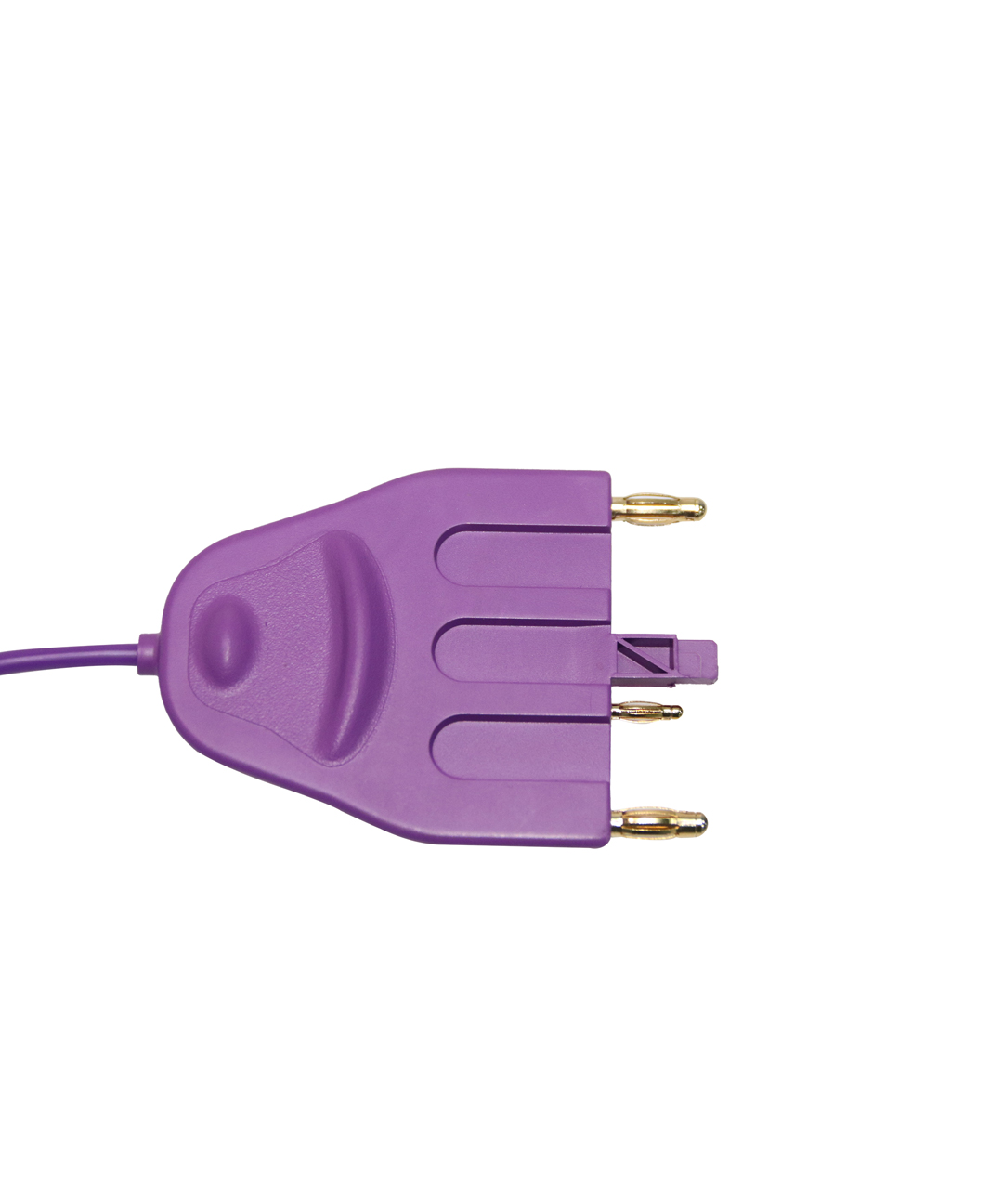
Clinical Applications & Advanced Performance of High Frequency Surgical System
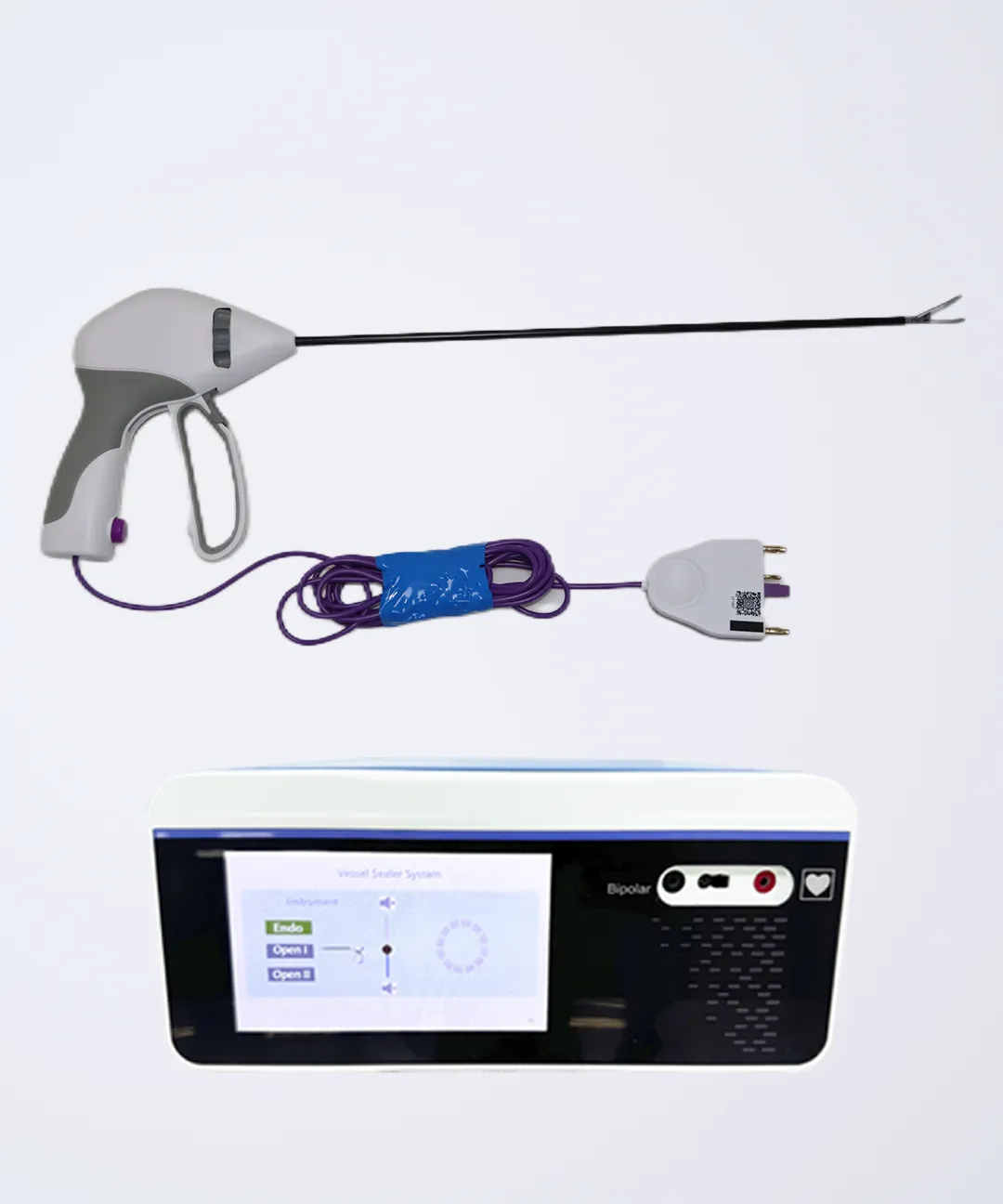
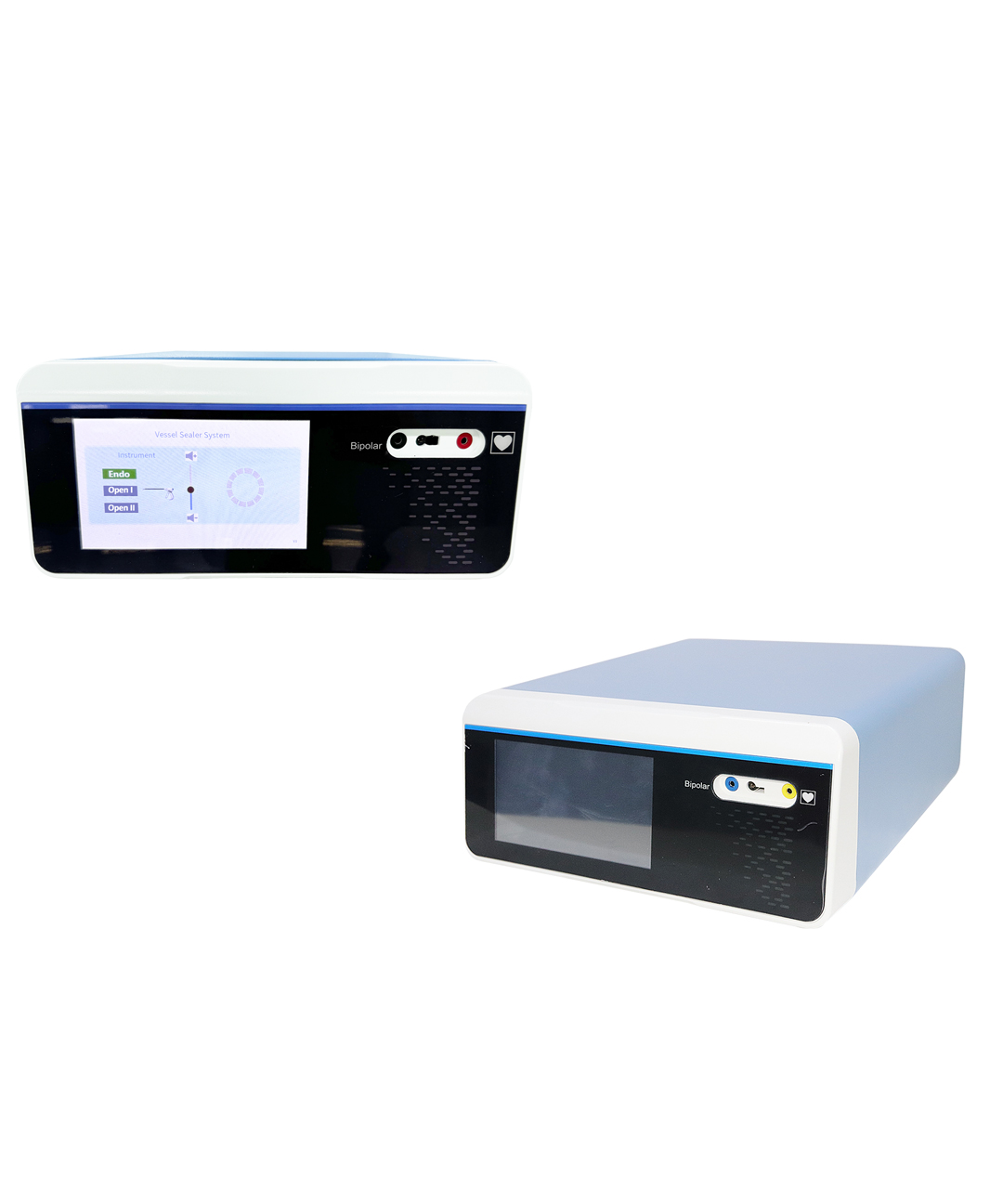
Greatchina Biomed's High Frequency Surgical System combined with our premium Advanced Bipolar Tissue Sealing and Cutting Electrode represents the pinnacle of energy-based surgical technology. Engineered for modern minimally invasive and open procedures, this integrated energy platform delivers exceptional safety and efficacy across diverse clinical disciplines:
General & Gastrointestinal Surgeries: Ideal for tissue dissection, mobilization, and vessel sealing in colorectal, gastric, and bariatric procedures.
Gynecological & Urological Interventions: Providing high-compliance sealing for uterine, pelvic, and renal vessel structures with minimal thermal spread.
Thoracic & Endoscopic Procedures: Ensuring smooth tissue manipulation and secure vascular control in high-stakes anatomical fields.
Key Technology & Performance Moat:
Intelligent Real-Time Feedback System: Our platform features automated impedance monitoring that instantly identifies tissue density and automatically terminates power output the moment sealing is complete, ensuring a safe, reliable, and char-free closure cycle lasting only 4 to 6 seconds.
Formidable Hemostasis (3X Blood Pressure Burst Resistance): The permanent vascular seals achieved by our system are clinically proven to withstand up to 3 times the average systolic pressure of a normal human artery, offering unmatched post-operative security.
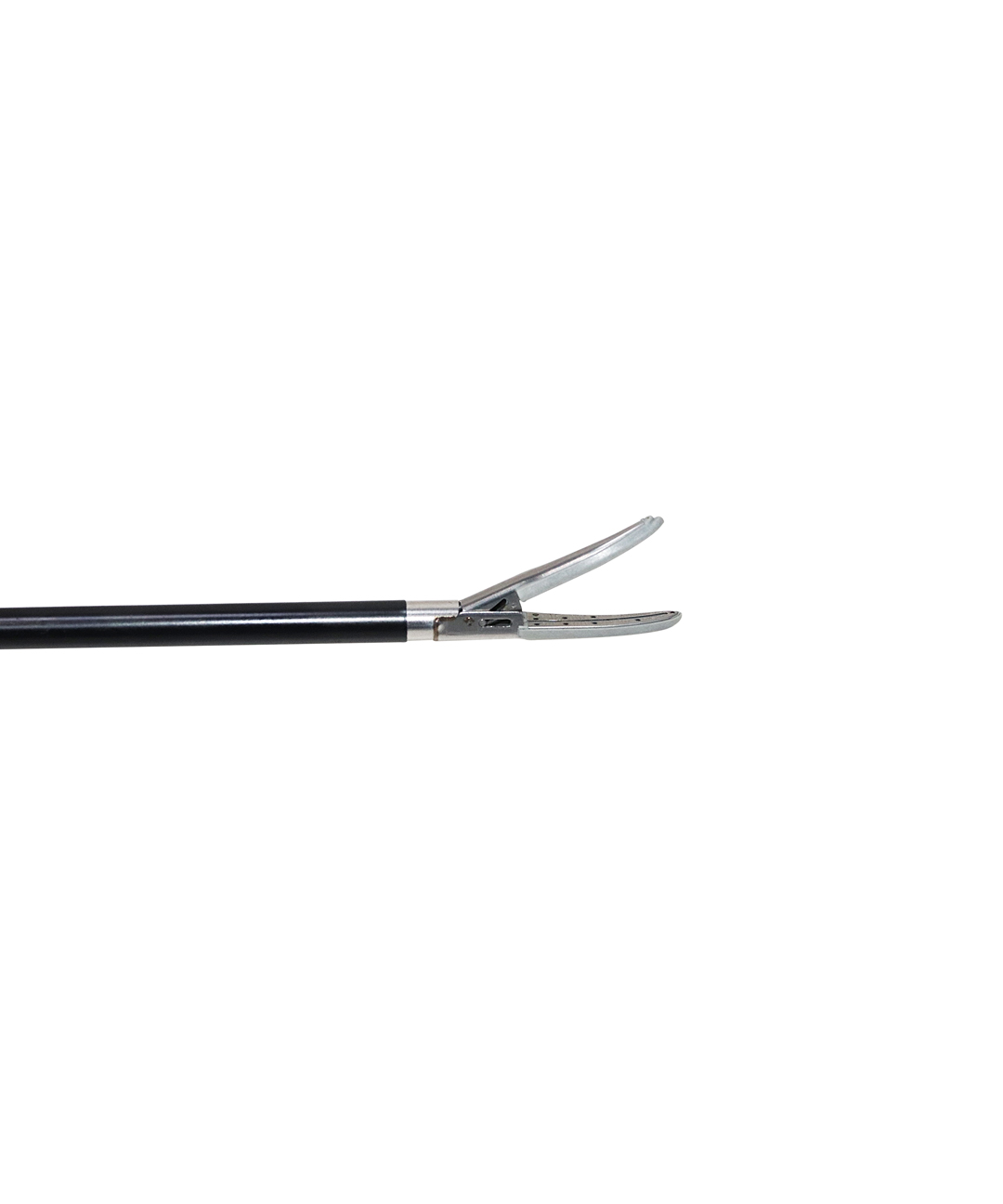
Elite Non-Invasive Tissue Handling: Equipped with blunt dissection jaws, a textured surface to enhance tissue grip, and proprietary ceramic convex insulation with uniform gaps, the instrument minimizes micro-trauma. It ensures minimal or no tissue adhesion and scab formation, maintaining a clear surgical field of view with virtually zero foreign object residue or smoke.
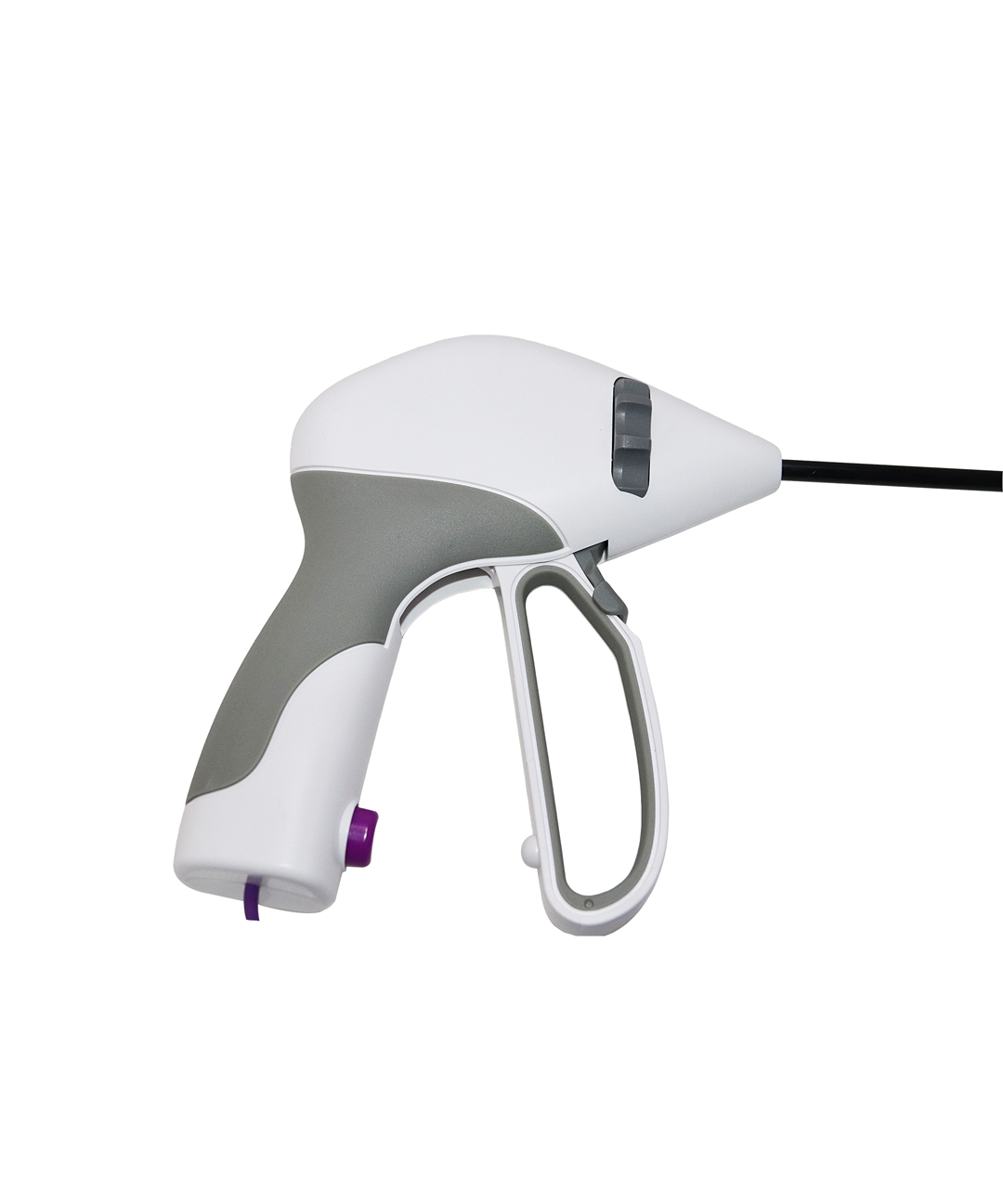
Intuitive Independent Ergonomics: Designed for flawless OR synchronization, the handpiece features a rear knob for easy rotation, an independent rebound cutting wrench, and a step-by-step coagulate-before-cutting mechanism with manual control activation, offering surgeons absolute tactical precision.
Specification of Bipolar Tissue Sealing and Cutting Electrode
| Product Description | Head Type | Shaft Length | Shaft Diameter (mm) | Jaw Size (mm) | Seal Plate Length (mm) | Shaft Length | Cut Length (mm) |
| GCLF1823 | 23 cm (9.06 in) | 5mm | ≥10 | 20 .55 mm | 23 cm (9.06 in) | 18 .65 mm | |
| GCLF1837 | 37 cm ( 14.57 in) | 5mm | ≥10 | 20 .55 mm | 37 cm (14.57 in) | 18 .65 mm | |
| GCLF1844 | 44 cm ( 17.32 in) | 5mm | 20 .55 mm | 44 cm (17.32 in) | 18 .65 mm |
Benefits of Bipolar Tissue Sealing and Cutting Electrode
Versatile Functionality: Multifunctional capabilities—cutting, coagulation, grasping, dissecting—streamline surgery, reducing procedure time.
Enhanced Safety: Mechanical energy conversion prevents electrical currents through patients, ensuring greater safety and fewer complications.
Minimal Thermal Damage: Advanced technology minimizes lateral heat spread, ideal for delicate operations near vital organs and nerves.
Ergonomic Design: Ergonomically designed to reduce hand fatigue during long surgeries, enhancing comfort and focus.
Clear Visibility: Arc-shaped electrode tips ensure clear visualization of clamped tissues, facilitating precise manipulation and observation.
Smoke-Free Operation: Produces no smoke, ensuring a clear, unobstructed surgical field that enhances visibility and operational accuracy.
FAQ about Energy Devices
What is a surgical energy platform and what types of energy modalities does it integrate?
A surgical energy platform integrates multiple energy modalities including monopolar electrosurgery for cutting and coagulation, bipolar electrosurgery for precise energy delivery, advanced bipolar vessel sealing with feedback-controlled energy, and ultrasonic energy for simultaneous cutting and coagulation with minimal thermal spread. Advanced platforms allow seamless switching between modalities with real-time tissue monitoring and automatic power adjustment.
What are the key safety features and technologies incorporated in modern electrosurgical systems?
Modern electrosurgical systems incorporate tissue impedance monitoring for automatic energy adjustment, return electrode monitoring to prevent burns, automatic power adjustment based on tissue conditions, thermal spread management limiting spread to 1-3 mm, comprehensive error detection, instrument recognition for auto-configuration, and clear audible and visual feedback to guide the surgeon during bipolar tissue sealing and other procedures.
In which surgical specialties are energy platforms most extensively utilized?
Surgical energy platforms are most extensively utilized in general surgery for cholecystectomy and bariatric procedures, gynecologic surgery for hysterectomy and myomectomy, urologic surgery for robotic prostatectomy, thoracic surgery for VATS lung dissection, colorectal surgery for mesenteric ligation, hepatobiliary surgery for liver transection, and pediatric surgery with smaller instruments. They are indispensable across nearly all surgical disciplines.
How does energy platform technology contribute to surgical efficiency and outcomes?
Energy platform technology improves surgical efficiency by combining dissection, coagulation, and vessel sealing in one step, reducing operative time by 15-30 minutes. Feedback-controlled bipolar tissue sealing ensures optimal hemostasis with reduced blood loss. Multifunctionality facilitates minimally invasive surgery, while consistent energy delivery standardizes outcomes. Reduced complications and operative time translate to cost-effectiveness despite upfront capital investment in the electrosurgical system.
What factors should healthcare institutions evaluate when selecting a surgical energy platform?
When selecting a surgical energy platform, evaluate clinical performance across intended procedures and modality versatility, ease of use with comprehensive training support, reliability and manufacturer service responsiveness, instrument portfolio variety for different approaches, technology integration with OR systems and EHR, total cost of ownership including capital and consumables, published clinical evidence, and surgeon feedback through trial periods to ensure the electrosurgical system meets institutional needs.
Why does electrosurgical performance depend on more than generator power?
Generator output is only one part of the system. Tissue effect also depends on waveform, electrode geometry, jaw pressure, contact area, activation time, tissue impedance, cleanliness of the instrument, and how much tissue is captured. Two activations at the same displayed power can therefore produce different results. Modern systems may monitor tissue conditions and adjust energy delivery, but technique still matters. Teams should understand the intended mode, complete the sealing cycle, avoid activating on poorly visualized tissue, and follow the device instructions. In practical terms, reliable electrosurgery comes from the interaction of energy, compression, time, and user technique - not from a single power number.
Is less surgical smoke always the most important factor when choosing an energy device?
Smoke matters because it can reduce visualization and expose staff to surgical plume, but it is one part of a larger decision. The team must also consider hemostasis, thermal spread, dissection control, vessel range, activation time, ergonomics, instrument exchanges, plume evacuation, and cost per case. A device that produces less visible smoke may still require appropriate evacuation and safety measures. Selection should therefore be based on the whole procedure and the operating-room environment, not a single attribute. Effective smoke management is a system issue involving energy technique, evacuation equipment, room practices, and staff training.
What is the difference between monopolar and bipolar electrosurgery?
In monopolar electrosurgery, current travels from the active electrode through the patient to a return electrode. In bipolar electrosurgery, current is concentrated between two electrodes on the instrument, usually the jaws of a forceps or sealing device. This difference affects the current path, tissue effect, and safety considerations. Bipolar instruments can provide localized energy delivery, while monopolar instruments remain versatile for cutting and coagulation across many procedures. Neither category is automatically safer in every situation. Correct setup, insulation integrity, mode selection, power settings, tissue contact, and user training remain essential.
What does tissue impedance tell an electrosurgical system?
Impedance describes how strongly tissue opposes electrical current. As tissue is compressed, heated, desiccated, and structurally changed, its impedance can change. Some advanced systems monitor these changes and use them as feedback to adjust or stop energy delivery. This can support more consistent tissue effects, but it does not remove the need for proper technique. The instrument still needs appropriate tissue capture and compression, and the user must wait for the specified cycle to complete. Impedance is therefore best understood as one signal in a controlled energy-delivery process, not as a standalone measure of seal quality.
Why does jaw pressure matter in bipolar vessel sealing?
Vessel sealing is a combined mechanical and thermal process. Jaw pressure brings tissue layers into controlled contact, reduces thickness, and helps distribute energy. Too little compression may produce an inconsistent seal, while excessive or uneven pressure can damage tissue or affect the intended energy response. Jaw geometry, parallel closure, tissue volume, activation time, and generator feedback all interact. This is why sealing instruments are designed as systems rather than simple electrodes. Users should avoid overfilling the jaws and should follow the specified capture and activation steps for the device.
Related Articals
Bipolar Tissue Sealing Technology: Principles and Clinical Advantages
Optimizing OR Workflow with Integrated Bipolar Sealing and Cutting Systems
Advanced Energy Devices in Minimally Invasive Surgery: Trends and Future Directions
Safety Considerations in High-Frequency Electrosurgery
Bipolar vs. Ultrasonic Energy for Vessel Sealing: A Surgeon's Guide
Bipolar Tissue Sealing Technology: Principles and Clinical Advantages





 Call us on:
  Email Us:
  Bldg 13, No.3 Hanshan Road, Xuejia Town, Xinbei District, Changzhou, Jiangsu 213125, China