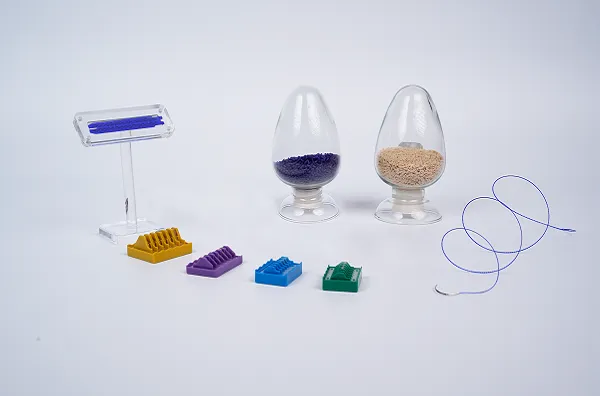
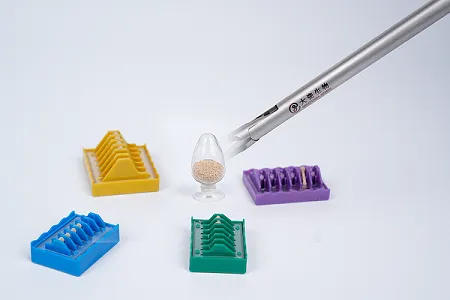
A ligating clip is implanted, but the clip applier determines how it is carried, positioned and closed. For surgeons, this is not a minor detail — it is the difference between a smooth, confident dep...
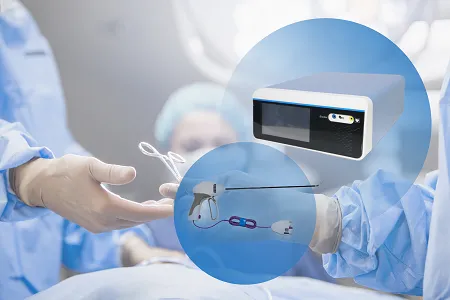
Operating room efficiency affects patient outcomes, resource utilization, and institutional economics. Integrated bipolar tissue sealing and cutting systems can contribute significantly to workflow op...
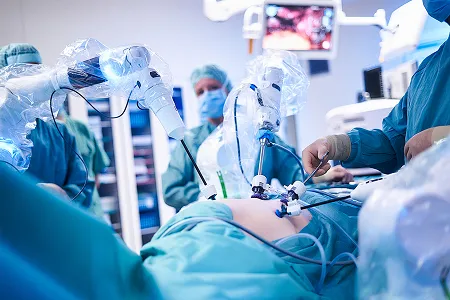
Minimally invasive surgery has been one of the most transformative developments in modern surgical practice, and advanced energy devices have been central to this evolution. The synergy between surgic...
High-frequency electrosurgery is indispensable in modern surgical practice, but its safe use requires an understanding of electrosurgical principles, tissue effects, and potential complications. As su...
Selecting between bipolar and ultrasonic energy systems is a common clinical decision with implications for operative efficiency and patient outcomes. Surgeons today have access to a broader range of ...
Bipolar tissue sealing has become a standard tool in modern minimally invasive surgery, allowing surgeons to achieve hemostasis and tissue division through a single instrument. Understanding the under...
The choice between absorbable and non-absorbable ligation clips involves considerations that extend beyond immediate procedural performance to long-term patient outcomes. Surgeons today have access to...
A ligation clip may appear simple, but achieving consistent, reliable vessel occlusion across varying tissue types and anatomical conditions requires thoughtful engineering. Modern hemostasis clips ar...



 Call us on:
  Email Us:
  Bldg 13, No.3 Hanshan Road, Xuejia Town, Xinbei District, Changzhou, Jiangsu 213125, China