Minimally invasive surgery has been one of the most transformative developments in modern surgical practice, and advanced energy devices have been central to this evolution. The synergy between surgical technique and medical technology continues to drive improvements in patient outcomes and procedural efficiency. Understanding these trends helps surgeons and hospital administrators make informed decisions about technology adoption.
Electrosurgery was introduced in the early 1900s. The development of laparoscopic surgery in the 1970s and 1980s created demand for new energy instruments. Bipolar vessel sealing technology emerged in the 1990s, followed by ultrasonic and advanced bipolar systems in the 2000s. Since the 2010s, smart energy delivery algorithms and multi-function instruments have become standard in the medical device industry. Today, innovations in minimally invasive surgical devices continue to accelerate, driven by demands for greater precision, safety, and efficiency.
Today's advanced bipolar systems use real-time tissue impedance monitoring to adjust power output dynamically. Instruments that combine sealing, cutting, and dissection reduce the need for exchanges, streamlining workflow. Ergonomic handle designs with rotating shafts and articulated jaws improve access to difficult anatomy. These capabilities have been associated with reduced blood loss, shorter operative time, and lower reported rates of postoperative bleeding and thermal injury. The integration of these features represents a significant milestone in surgery technology.
The medical device industry is witnessing rapid convergence of energy-based technologies with digital platforms. Smart energy systems that collect and analyze data from each activation are enabling new insights into optimal device use. Machine learning algorithms trained on thousands of sealing cycles can predict and optimize energy delivery parameters for specific tissue types. These medical technology advancements promise to further reduce variability in surgical outcomes and enhance the reproducibility of advanced procedures.
Integration with robotic surgery platforms, AI-powered energy management that predicts optimal sealing parameters, instrument miniaturization, and combination devices that pair multiple energy modalities are active areas of development. The future of energy devices in surgery will likely include adaptive systems that learn from individual surgeon technique and patient-specific anatomy. Greatchina Biomed continues to advance bipolar tissue sealing technology through ongoing research aimed at improving sealing consistency, safety features, and platform integration. For current product information, visit https://www.gcbiomed.com/products/bipolar-tissue-sealing-and-cutting-electrode.html or www.gcbiomed.com.
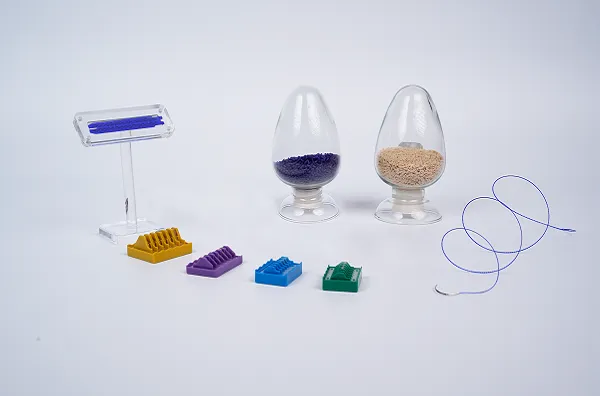
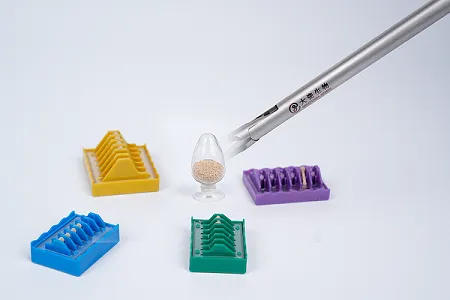
Greatchina Biomed is an innovative company specializing in absorbable biomaterials and implantable medical devices. In collaboration with the Chinese Academy of Sciences, the company has built a full-chain technology platform from polymer synthesis to precision manufacturing. As one of the few Chinese enterprises with independent R&D capabilities for absorbable polymers such as PPDO and PGLT, Greatchina Biomed is dedicated to delivering safer, more reliable absorbable medical solutions. Our star product has been admitted into the National Innovation Medical Device Expedited Review Program, reflecting the technological advancement and clinical value. Our brand philosophy — "Innovation Made Real" — embodies our commitment to advancing surgical care through material science innovation. Visit:
Optimizing OR Workflow with Integrated Bipolar Sealing and Cutting Systems
Safety Considerations in High-Frequency Electrosurgery
Bipolar vs. Ultrasonic Energy for Vessel Sealing: A Surgeon's Guide
Bipolar Tissue Sealing Technology: Principles and Clinical Advantages
Contact Our Materials Science Division
We welcome you to reach out to us about our products, questions you may have or even suggestions on how we can improve.
Bldg 13, No.3 Hanshan Road, Xuejia Town, Xinbei District, Changzhou, Jiangsu 213125, China
 Call us on:
  Email Us:
  Bldg 13, No.3 Hanshan Road, Xuejia Town, Xinbei District, Changzhou, Jiangsu 213125, China