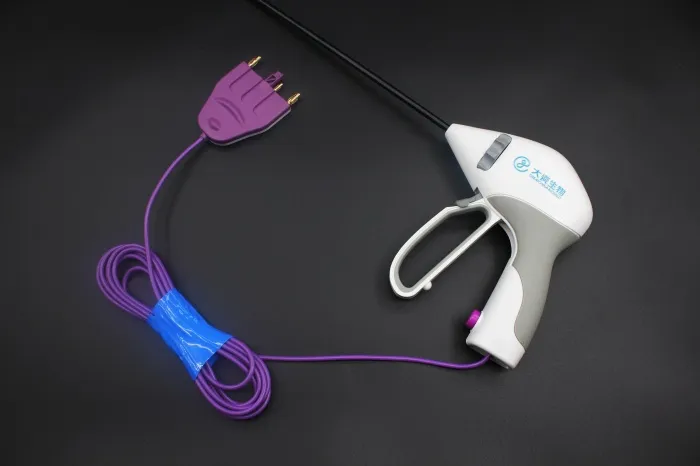
Acquiring an electrosurgical system is the start of a controlled lifecycle, not the end of a purchasing project. Installation, accessory management, staff training, preventive maintenance, servicing and retirement all determine whether the platform stays in its verified configuration and delivers consistent value.
Before clinical deployment, the hospital should confirm the delivered model, software version, accessories, documentation and market authorization. Biomedical engineering can record the equipment identifier and perform the acceptance activities required by institutional policy and the manufacturer's instructions.
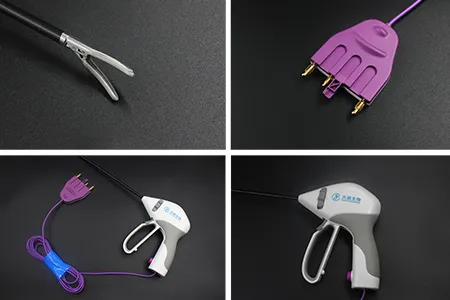
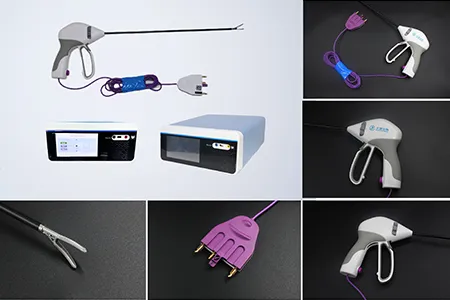
A generator may be used with multiple electrodes and handpieces, but only the configurations identified by the manufacturer should be assumed compatible. Procurement, operating-room staff and biomedical engineering should share a controlled accessory list, because a replacement that appears equivalent can alter energy delivery, feedback or alarm behavior.
Maintenance intervals and tests are product-specific and may include visual inspection, electrical safety checks, functional tests, cable and connector inspection, and software verification. Rather than applying a generic schedule, follow the intervals stated in the manufacturer's current technical manual.
Single-use electrodes require inventory rotation, package inspection, lot traceability and appropriate disposal, while reusable components require validated cleaning and inspection. Complaint handling completes the loop: reports of unexpected activation, alarms or accessory damage should capture model, lot, software version and use context.
Equipment should be removed from service when it can no longer be maintained in a compliant condition or when the institution's risk assessment indicates retirement. Data, accessories and service records should be handled under established procedures.
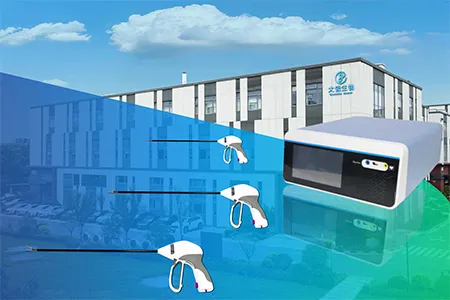
Greatchina Biomed designs its advanced bipolar platform as an integrated system, the right unit for lifecycle planning. When evaluating an electrosurgical equipment manufacturer, partners should consider the support system around the entire installed platform — documentation, configuration control, service and regulatory status — not just the initial electrosurgical generator price. Visit https://www.gcbiomed.com/products/bipolar-tissue-sealing-and-cutting-electrode.html or www.gcbiomed.com for more information.
Contact Our Materials Science Division
We welcome you to reach out to us about our products, questions you may have or even suggestions on how we can improve.
Bldg 13, No.3 Hanshan Road, Xuejia Town, Xinbei District, Changzhou, Jiangsu 213125, China
 Call us on:
 Email Us:
 Bldg 13, No.3 Hanshan Road, Xuejia Town, Xinbei District, Changzhou, Jiangsu 213125, China