In a high-frequency surgical system, safety is shaped not only by electrical output but also by what users see, hear, touch and understand. A technically capable electrosurgical unit can still create risk if setup is ambiguous or feedback is hard to interpret in the operating room.
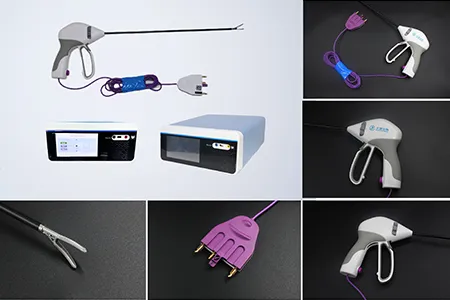
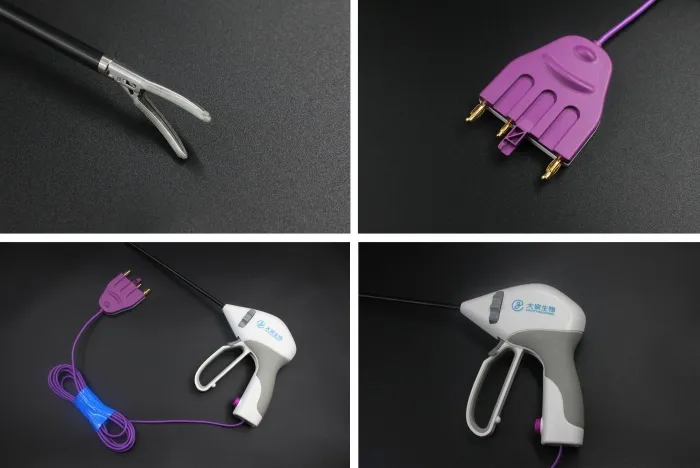
For an electrosurgical device, the user interface includes the generator menu, cable ports, hand controls, footswitch, tones, status lights, electrode packaging and instructions. Human-factors engineering studies the intended users, use environments and user interface together, with the goal of minimizing use-related risk.
Not every interaction carries the same consequence. Critical tasks typically include selecting a mode, connecting the correct accessory, positioning the electrosurgical instrument, activating energy, recognizing cycle completion and responding to an alarm. A claim that a device is “intuitive” is only meaningful when these tasks have been validated.
Audible and visual signals should help the team understand device state. In a noisy room, tones must be distinguishable and visual indicators visible from realistic positions. Automatic cycle termination reduces reliance on manual timing, but it also raises questions: does the user recognize completion, and how are faults distinguished from normal completion?
Training is important, especially for new platforms, but it should reinforce a well-designed interface rather than compensate for one. Structured, simulation-based training improves competency in energy-device use and reduces adverse events.
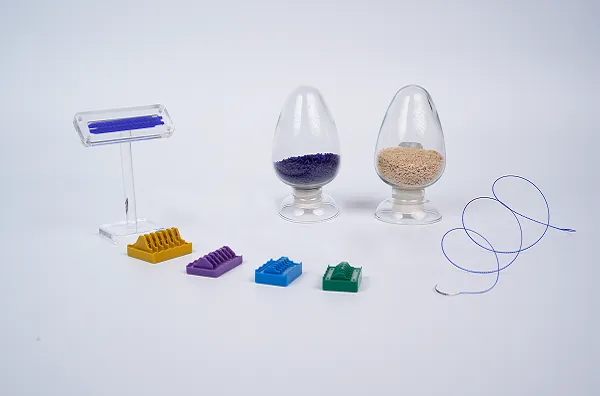
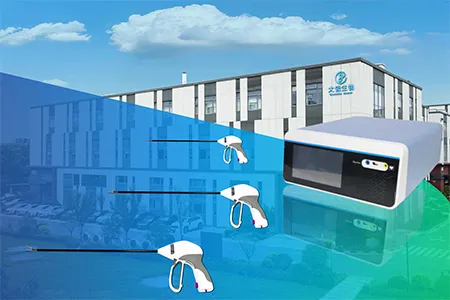
Greatchina Biomed's high-frequency bipolar system is designed with real-time feedback and automated termination, features intended to keep the surgical team informed of device state during bipolar electrosurgery. These are design elements that align with human-factors principles. For product information, visit https://www.gcbiomed.com/products/bipolar-tissue-sealing-and-cutting-electrode.html or www.gcbiomed.com.
Contact Our Materials Science Division
We welcome you to reach out to us about our products, questions you may have or even suggestions on how we can improve.
Bldg 13, No.3 Hanshan Road, Xuejia Town, Xinbei District, Changzhou, Jiangsu 213125, China
 Call us on:
 Email Us:
 Bldg 13, No.3 Hanshan Road, Xuejia Town, Xinbei District, Changzhou, Jiangsu 213125, China