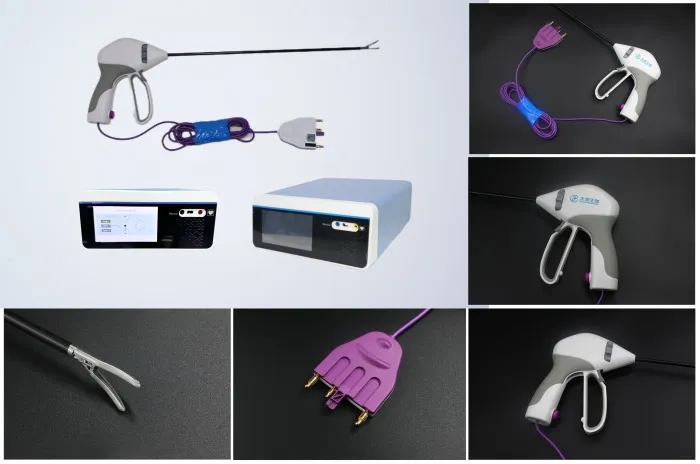
An electrosurgical generator does not deliver clinical value on its own. Its performance is realized through the complete signal path — the electrode, cable, handpiece and control logic that convert electrical energy into a controlled tissue effect. For hospitals and distributors evaluating a high-frequency surgical system, compatibility is a safety and performance requirement rather than a purchasing convenience.
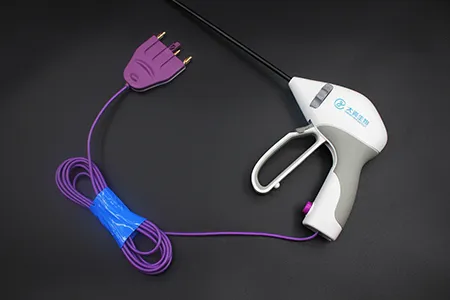
An electrosurgical unit (ESU) is a system, not a single box. The generator produces the high-frequency current, but the electrosurgical electrode, the reusable or single-use handpiece, the connector and the cable all influence how that energy is delivered. A connector that physically fits may still be incompatible if the generator and accessory are not designed for the same energy-delivery parameters, identification logic and operating modes.
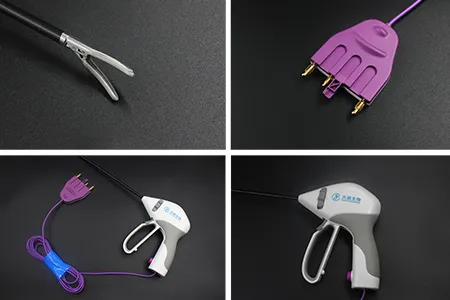
A practical way to evaluate an esu machine is to trace the signal from the wall outlet to the tissue. That path includes the generator hardware and software version, the selected output mode, the connector and cable, the reusable or single-use handpiece, the jaw or electrode geometry, the activation control, and the feedback and cycle-completion signals. When any component changes, the manufacturer should confirm that verification, labeling and regulatory status remain valid.
The electrosurgical accessories label should identify the generator or platform with which the device is intended to be used. Terms such as “universal,” “standard connector” or “widely compatible” should be supported by a documented, model-specific compatibility list. For a purchasing or clinical-use decision, buyers should ask for the controlled configuration list and software or version information.
Reusable accessories require validated reprocessing and inspection instructions, while single-use components require clear status and disposal information. Mixing the two categories in procurement records can create maintenance and traceability gaps. The biomedical engineering team, the operating room and the supply chain should all work from the same compatibility list.
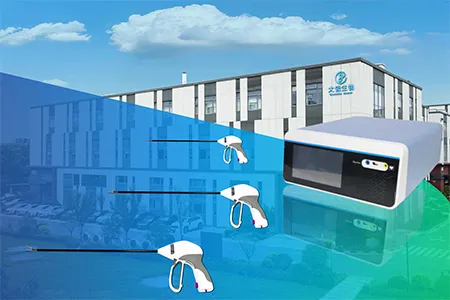
Greatchina Biomed's high-frequency surgical system is designed as an integrated bipolar platform: an advanced bipolar generator paired with a tissue-sealing and cutting electrode. The design philosophy is controlled integration — the generator, electrode and user feedback are engineered as one defined system rather than a collection of loosely matched parts. For more information, visit the product page at https://www.gcbiomed.com/products/bipolar-tissue-sealing-and-cutting-electrode.html
Contact Our Materials Science Division
We welcome you to reach out to us about our products, questions you may have or even suggestions on how we can improve.
Bldg 13, No.3 Hanshan Road, Xuejia Town, Xinbei District, Changzhou, Jiangsu 213125, China
 Call us on:
 Email Us:
 Bldg 13, No.3 Hanshan Road, Xuejia Town, Xinbei District, Changzhou, Jiangsu 213125, China