Postoperative wound complications — including surgical site infections (SSIs), wound dehiscence, suture granulomas, and foreign body reactions — remain clinically significant concerns. Suture material selection can influence each of these outcomes. As understanding of complication in surgery grows, the role of absorbable sutures in mitigating adverse events has become increasingly recognized by surgeons worldwide.
Suture materials can act as a substrate for bacterial adherence. The available literature suggests that braided sutures may harbor more bacteria than monofilament sutures owing to their multifilament interstices. Absorbable sutures offer a theoretical advantage in that they undergo complete degradation, eliminating any long-term nidus for bacterial colonization. Some modern absorbable sutures incorporate antimicrobial coatings as an additional measure; however, the clinical significance of these coatings may vary by setting and pathogen profile. The choice of surgical suture material is therefore an important consideration in SSI prevention protocols.
Foreign Body Reaction and Granuloma Formation
Non-absorbable sutures remain as permanent implants and may elicit a chronic foreign body response. In some cases, this can progress to granuloma formation or sinus tract development. Absorbable sutures, by contrast, are designed to elicit a minimal and transient inflammatory response that resolves as the material degrades. The clinical advantage is most apparent in superficial closures and in patients with a history of hypertrophic scarring or keloid formation. Modern absorbable suture materials are engineered to minimize tissue reactivity while maintaining adequate strength throughout the healing process.
Wound dehiscence is closely tied to whether the suture maintains adequate strength during the healing period. Absorbable sutures are designed with degradation profiles that mirror tissue healing kinetics. For slow-healing structures such as fascia or tendons, longer-lasting absorbable sutures — those with polydioxanone-like profiles — are generally recommended. The key clinical judgment lies in matching the suture's strength retention window to the tissue's expected healing rate. Advanced monofilament suture designs offer predictable strength profiles that support clinical decision-making.
For skin closure, fast-absorbing synthetic sutures used in a subcuticular technique can reduce the need for suture removal and minimize epithelial track marks. In subcutaneous tissue, braided absorbable sutures offer secure knotting with acceptable tissue reaction. For fascial closure, a longer-lasting monofilament absorbable suture is commonly selected. Mucosal closures benefit from absorbable materials to avoid the need for removal in anatomically challenging locations. Each application requires careful consideration of suture size and absorption profile.
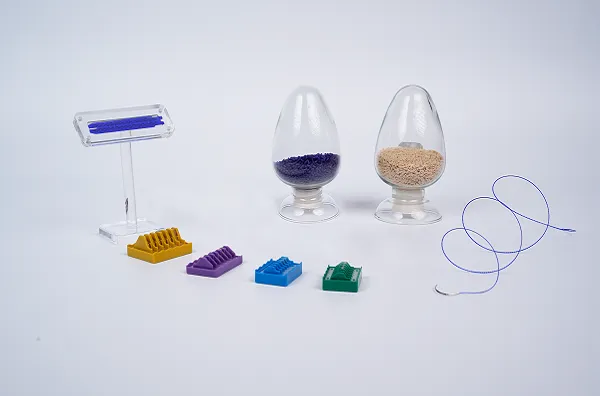
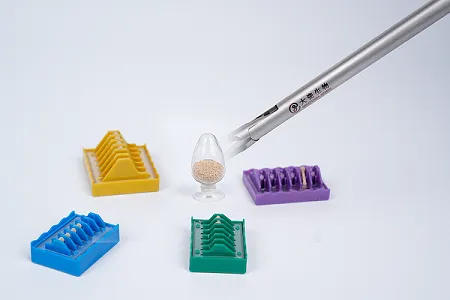
Greatchina Biomed is developing PPDO-based absorbable sutures that emphasize high material purity and consistent manufacturing quality. The smoothness and hand feel of these monofilament sutures are designed to reduce tissue trauma during passage, while the uniform material properties ensure reliable knot security. By focusing on PPDO purity and processing consistency, the company aims to deliver surgical sutures that meet the demanding requirements of modern surgical care. Learn more at https://www.gcbiomed.com/products/absorbable-surgical-suture/ or www.gcbiomed.com.
Greatchina Biomed is an innovative company specializing in absorbable biomaterials and implantable medical devices. In collaboration with the Chinese Academy of Sciences, the company has built a full-chain technology platform from polymer synthesis to precision manufacturing. As one of the few Chinese enterprises with independent R&D capabilities for absorbable polymers such as PPDO and PGLT, Greatchina Biomed is dedicated to delivering safer, more reliable absorbable medical solutions. Our star product has been admitted into the National Innovation Medical Device Expedited Review Program, reflecting the technological advancement and clinical value. Our brand philosophy — "Innovation Made Real" — embodies our commitment to advancing surgical care through material science innovation. Visit: www.gcbiomed.com
Absorbable vs Non-Absorbable Sutures: A Clinical Guide to Material Selection
Contact Our Materials Science Division
We welcome you to reach out to us about our products, questions you may have or even suggestions on how we can improve.
Bldg 13, No.3 Hanshan Road, Xuejia Town, Xinbei District, Changzhou, Jiangsu 213125, China
 Call us on:
  Email Us:
  Bldg 13, No.3 Hanshan Road, Xuejia Town, Xinbei District, Changzhou, Jiangsu 213125, China